

Understanding Brakes and Rotors
This is a subtitle for your new post
Understanding Brakes and Rotors: How to Keep Your Car Stopping Safely
Your car’s brakes are one of the most important safety systems on the road, yet many drivers overlook them until there’s a problem. Brakes and rotors work together to slow down and stop your vehicle, and understanding how they function can help you maintain them properly—and avoid costly repairs.
What Are Brakes and Rotors?
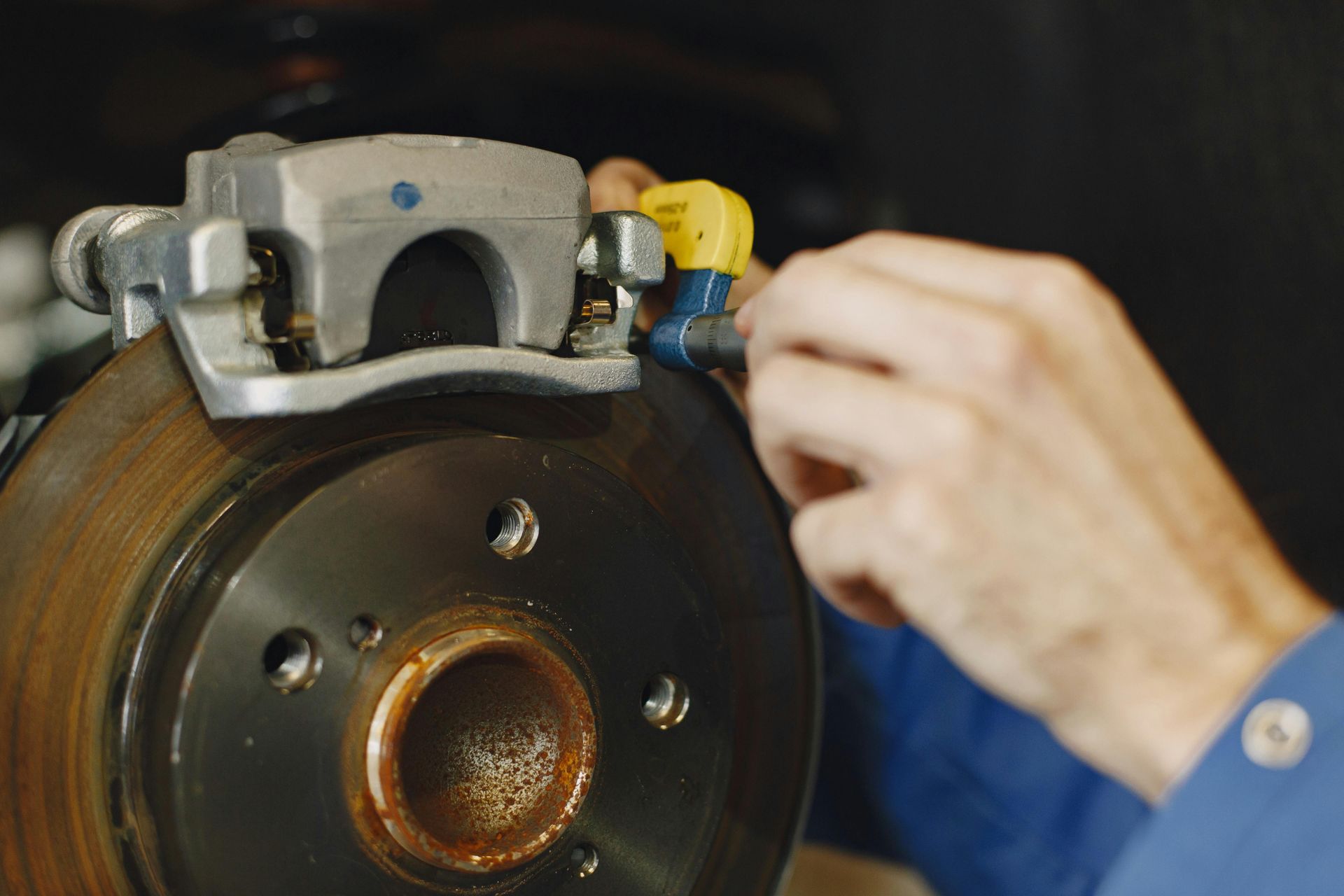
- Brakes: Your car’s braking system is made up of several components, but the most familiar are the brake pads. When you press the brake pedal, these pads clamp down on the rotors to create friction, slowing your wheels.
- Rotors: Also called brake discs, rotors are metal discs attached to each wheel. When the brake pads press against them, friction is generated, which stops your vehicle. Rotors are designed to withstand heat and pressure, but they can wear over time.
How Brakes and Rotors Work Together
- Brake Pedal Pressure: Pressing the pedal activates the hydraulic system in your brakes.
- Pads Clamp Down: Brake pads press against the rotor’s surface.
- Friction Slows the Wheel: The friction between pads and rotor reduces wheel speed.
- Vehicle Stops Safely: Your car comes to a controlled stop.
This process happens every time you slow down, which is why brakes and rotors take so much wear and tear over time.
Signs You May Need Brake or Rotor Service
Ignoring your brakes can be dangerous. Here are some common signs that your brake system needs attention:
- Squealing or Grinding Noises: Worn pads can cause loud noises or metal-on-metal grinding.
- Vibration When Braking: Warped rotors can cause the brake pedal or steering wheel to shake.
- Longer Stopping Distances: Your brakes may feel “soft” or less responsive.
- Visible Wear: Thin brake pads or scored rotors indicate it’s time for replacement.
Rotor Maintenance and Replacement
Rotors are built to last, but they’re not invincible. Over time, heat and friction can cause them to warp or wear unevenly. Regular inspections can prevent damage, and rotors may need resurfacing or replacement depending on their condition.
- Resurfacing: A process that smooths out minor imperfections, restoring even contact with brake pads.
- Replacement: Needed if the rotor is too thin, deeply scored, or severely warped.
Tips for Long-Lasting Brakes and Rotors
- Regular Inspections: Have your brakes checked at every service.
- Replace Pads in Time: Worn pads can damage rotors if left too long.
- Drive Smoothly: Avoid hard braking whenever possible; it reduces wear.
- Use Quality Parts: High-quality pads and rotors improve safety and performance.
Final Thoughts
Your brakes and rotors are critical for safe driving, and maintaining them is not optional—it’s essential. Regular inspections, timely replacement of worn components, and using experienced mechanics can save you money and keep you and your passengers safe. Remember: smooth, reliable braking isn’t just about comfort—it’s about safety.